Treeshade

A Travel Experience Beyond Your Imagination
Experience the wonders of East Africa through authentic, life-changing adventures. Treeshade Travel was founded to support local communities, including Paul and the Batwa people, who are the heartbeat of our mission. In an age where AI can offer suggestions, only true, human-guided experiences can connect you with the region’s rich culture and breathtaking nature. Let us be your guide to unforgettable journeys.
Gorilla Tours
Gorilla Tracking Options in Bwindi:Budget, Mid-Range, and Luxury
Gorilla tracking in Bwindi Impenetrable National Park offers diverse options catering to various budgets. Here’s a detailed breakdown of the accommodation, costs, and overall experience for budget, mid-range, and luxury travelers.1. Budget Options
Accommodation: Budget travelers can stay in basic but comfortable accommodations like community bandas, campsites, and budget lodges such as Buhoma Community Rest Camp, Bwindi View Bandas, and Gorilla Conservation Camp.Approximate Cost:Gorilla Permit: $700 per person (Visit Bwindi)
Accommodation: $70-$100 per night (Bwindi)
Total 3-Day Package: $1,100-$1,200 (including transport, accommodation, meals, and permits) (Gorilla Link Tours)
Experience: This package includes essential services, but expect basic amenities. Meals are often local cuisine, and accommodations may not have extensive facilities but provide a cozy and authentic experience.2. Mid-Range Options
Accommodation: Mid-range options include more comfortable lodges with better facilities, such as Buhoma Lodge, Silverback Lodge, and Engagi Lodge.Approximate Cost:Gorilla Permit: $700 per person (Visit Bwindi)
Accommodation: $150-$250 per night (Bwindi)
Total 3-Day Package: $1,500-$1,800 (including transport, accommodation, meals, and permits) (Gorilla Trekking Tours Uganda)
Experience: Mid-range packages offer better amenities, including en-suite bathrooms, hot showers, and possibly Wi-Fi. Meals are more varied, and lodges provide a more refined environment.3. Luxury Options
Accommodation: Luxury travelers can opt for high-end lodges like Gorilla Forest Camp, Mahogany Springs Lodge, and Clouds Mountain Gorilla Lodge.Approximate Cost:Gorilla Permit: $700 per person (Visit Bwindi)
Accommodation: $400-$600+ per night (Bwindi)
Total 3-Day Package: $2,500-$3,000+ (including transport, accommodation, meals, and permits) (Gorilla Trekking Tours Uganda)
Experience: Luxury packages include top-tier services, luxurious accommodations with premium facilities, gourmet meals, and personalized service. Some lodges offer spa treatments and exceptional views of the forest.
Destinations
Explore the Wonders of East Africa with Treeshade Travel
Welcome to the Destinations page of Treeshade Travel! Here, you'll find a curated selection of some of the most breathtaking and culturally rich places in East Africa. Whether you're seeking adventure, wildlife, culture, or relaxation, East Africa offers a diverse array of experiences to suit every traveller's dream. We proudly highlight Uganda as our top destination, a land of incredible diversity and endless opportunities for exploration and discovery.
Uganda: The Pearl of Africa
Nestled in the heart of East Africa, Uganda is a treasure trove of natural beauty and cultural richness. Known as the "Pearl of Africa," this captivating country offers a unique blend of wildlife, landscapes, and experiences that you won't find anywhere else.Top Attractions in Uganda:
Bwindi Impenetrable National Park:
Home to more than half of the world's remaining mountain gorillas, this UNESCO World Heritage Site is a must-visit for any wildlife enthusiast. Embark on a thrilling gorilla trekking adventure and come face to face with these majestic creatures in their natural habitat.Murchison Falls National Park:
Witness the awe-inspiring power of the Nile River as it plunges over the Murchison Falls, creating one of the world's most spectacular waterfalls. The park is also a haven for wildlife, including elephants, lions, and the elusive shoebill stork.Queen Elizabeth National Park:
Experience the diverse ecosystems of one of Uganda's most famous parks. From savannas to wetlands, this park offers rich biodiversity and the chance to see lions, hippos, crocodiles, and an array of bird species.Lake Victoria:
The largest lake in Africa, Lake Victoria offers stunning views, tranquil boat rides, and the opportunity to visit the Ssese Islands, a group of 84 islands known for their beauty and biodiversity.Unique Experiences in Uganda:
Gorilla Trekking:
Trekking through the dense forests of Bwindi to encounter mountain gorillas is a once-in-a-lifetime experience. This intimate wildlife encounter is both thrilling and humbling, offering a deep connection with nature.Cultural Tours:
Engage with local communities and learn about Uganda’s rich cultural heritage. Visit traditional villages, participate in cultural dances, and support local artisans by purchasing handmade crafts.Bird Watching:
With over 1,000 bird species, Uganda is a paradise for bird watchers. Explore the diverse habitats and enjoy sightings of rare and endemic birds.Adventure Activities:
For the adventure-seekers, Uganda offers white-water rafting on the Nile, hiking in the Rwenzori Mountains, and kayaking on Lake Bunyonyi.
Kenya: Land of Safaris and Scenic Landscapes
Kenya is synonymous with the quintessential African safari experience. Home to the Great Migration and the Maasai Mara, Kenya offers unrivalled wildlife viewing opportunities and a landscape that ranges from savannas to beaches.Top Attractions in Kenya:
Maasai Mara National Reserve:
Known for its incredible wildlife and the annual Great Migration, this reserve offers an unparalleled safari experience. Witness vast herds of wildebeest and zebra, and the predators that follow them.Amboseli National Park:
Set against the backdrop of Mount Kilimanjaro, Amboseli is famous for its large herds of elephants and stunning photographic opportunities.Diani Beach:
Kenya’s coastline is a haven for relaxation and water sports. Enjoy the pristine white sands and turquoise waters of Diani Beach, perfect for diving, snorkelling, and unwinding.Unique Experiences in Kenya:
Hot Air Balloon Safari:
Soar over the Maasai Mara at dawn in a hot air balloon for a bird’s-eye view of the wildlife and the breathtaking landscape.Cultural Encounters:
Visit Maasai villages and learn about their traditions, lifestyle, and the symbiotic relationship they have with the wildlife.Scuba Diving and Snorkelling:
Explore the vibrant coral reefs and marine life of Kenya's Indian Ocean coastline, particularly in Malindi and Watamu Marine National Parks.Tanzania: Nature's Masterpiece
Tanzania is a land of superlatives, home to iconic landmarks like Mount Kilimanjaro, Serengeti National Park, and the Zanzibar Archipelago. It's a destination where adventure and tranquillity coexist.Top Attractions in Tanzania:
Serengeti National Park:
Witness the Great Migration and marvel at the vast plains teeming with wildlife. The Serengeti is synonymous with safari and offers an unforgettable wildlife experience.Mount Kilimanjaro:
The highest peak in Africa, Kilimanjaro is a magnet for climbers and adventurers. Conquering its summit is a dream for many, offering breathtaking views and a sense of accomplishment.Zanzibar:
The spice island of Zanzibar is a paradise of white sandy beaches, crystal-clear waters, and a rich cultural history. Explore Stone Town, a UNESCO World Heritage Site, and relax on the idyllic beaches.Unique Experiences in Tanzania:
Wildebeest Migration:
Experience the awe-inspiring sight of millions of wildebeest and other herbivores as they traverse the Serengeti in search of greener pastures.Climbing Kilimanjaro:
Embark on an adventure to the roof of Africa, tackling the various routes to the summit and experiencing diverse ecosystems along the way.Zanzibar Spice Tour:
Discover the spice plantations that have made Zanzibar famous and learn about the island's rich history in the spice trade.Rwanda: Land of a Thousand Hills
Rwanda is known for its stunning landscapes, ranging from lush forests to rolling hills. It's a destination that offers both tranquillity and adventure, with a focus on eco-tourism and conservation.Top Attractions in Rwanda:
Volcanoes National Park:
Home to the endangered mountain gorillas, this park offers the unique opportunity to trek and observe these majestic creatures up close.Kigali:
The capital city of Rwanda is a hub of culture and history. Visit the Kigali Genocide Memorial and explore the vibrant markets and art galleries.Lake Kivu:
This stunning lake offers a serene escape, with opportunities for kayaking, boating, and exploring the nearby coffee plantations.Unique Experiences in Rwanda:
Gorilla Trekking:
Similar to Uganda, Rwanda offers the incredible experience of gorilla trekking in the misty mountains of Volcanoes National Park.Cultural Immersion:
Engage with local communities and learn about Rwanda's rich culture and history, from traditional dances to crafts.Bird Watching:
With a diverse range of bird species, Rwanda is a paradise for bird enthusiasts, particularly in Nyungwe Forest National Park.At Treeshade Travel, we are passionate about showcasing the beauty and diversity of East Africa. Whether you're exploring the wilds of Uganda, the savannas of Kenya, the peaks of Tanzania, or the hills of Rwanda, we are here to create unforgettable travel experiences that will leave you with memories to cherish for a lifetime. Join us on a journey of discovery and adventure in this magnificent region.
Top Tours - Uganda examples
3-Day Birding Safari in Mabamba Swamp and Entebbe Botanical Gardens
Day 1: Arrival in Entebbe
- Arrival and transfer to your hotel in Entebbe.
- Briefing about the tour.
- Overnight at a mid-range lodge.Day 2: Mabamba Swamp
- Early morning transfer to Mabamba Swamp for a full day of birding.
- Spot the rare Shoebill and other water birds like the Papyrus Gonolek, African Jacana, and Malachite Kingfisher.
- Return to Entebbe in the evening.
- Overnight at the same lodge.Day 3: Entebbe Botanical Gardens
- Morning birding at Entebbe Botanical Gardens.
- Look for species such as the Great Blue Turaco, Ross's Turaco, and various sunbirds.
- Afternoon transfer to the airport for your departure.Approximate Cost:
- Budget Option: $300 - $450 per person
- Mid-Range Option: $600 - $750 per person
- Luxury Option: $1,200 - $1,500 per personOptional Gorilla Tracking (Add 1-2 days):
- Add gorilla tracking in Bwindi Impenetrable National Park.
- Additional Cost: $700 - $1,000 per person (including permits, transport, and one extra night of accommodation)
7-Day Birding and Wildlife Safari
Day 1: Arrival in Entebbe
- Arrival and transfer to your hotel in Entebbe.
- Overnight at a mid-range lodge.Day 2: Mabamba Swamp
- Full day birding at Mabamba Swamp.
- Spot the Shoebill and other swamp species.
- Overnight in Entebbe.Day 3: Kibale National Park
- Transfer to Kibale National Park.
- Afternoon birding and primate tracking (chimpanzees).
- Overnight at a lodge in Kibale.Day 4: Full Day in Kibale
- Full day birding in Kibale Forest.
- Look for Green-breasted Pitta, African Grey Parrot, and more.
- Overnight at the same lodge.Day 5: Queen Elizabeth National Park
- Transfer to Queen Elizabeth National Park.
- Afternoon boat cruise on the Kazinga Channel for water birds.
- Overnight at a lodge in Queen Elizabeth.Day 6: Queen Elizabeth National Park
- Full day birding in Queen Elizabeth National Park.
- Visit Maramagambo Forest and other key birding spots.
- Overnight at the same lodge.Day 7: Return to Entebbe
- Morning birding session.
- Transfer back to Entebbe for your departure.Approximate Cost:
- Budget Option: $1,200 - $1,500 per person
- Mid-Range Option: $1,800 - $2,200 per person
- Luxury Option: $3,500 - $4,500 per personOptional Gorilla Tracking (Add 1-2 days):
- Add gorilla tracking in Bwindi Impenetrable National Park.
- Additional Cost: $700 - $1,000 per person
14-Day Comprehensive Birding Tour
Days 1-2: Arrival and Mabamba Swamp
- Arrival in Entebbe, transfer to your hotel.
- Full day birding at Mabamba Swamp.
- Overnight in Entebbe.Days 3-4: Kibale National Park
- Transfer to Kibale, birding and primate tracking.
- Full day birding in Kibale Forest.
- Overnight in Kibale.Days 5-7: Queen Elizabeth National Park
- Transfer to Queen Elizabeth, birding across various sectors.
- Overnight in Queen Elizabeth.Days 8-9: Bwindi Impenetrable National Park
- Transfer to Bwindi, focusing on Albertine Rift endemics.
- Birding in Ruhija and Buhoma sectors.
- Overnight in Bwindi.Days 10-11: Lake Mburo National Park
- Transfer to Lake Mburo.
- Birding for species like the Red-faced Barbet and African Finfoot.
- Overnight in Lake Mburo.Days 12-13: Murchison Falls National Park
- Transfer to Murchison Falls.
- Birding and a boat trip on the Nile.
- Overnight in Murchison Falls.Day 14: Return to Entebbe
- Morning birding session.
- Transfer back to Entebbe for your departure.Approximate Cost:
- Budget Option: $2,500 - $3,200 per person
- Mid-Range Option: $3,600 - $4,200 per person
- Luxury Option: $7,000 - $8,500 per personOptional Gorilla Tracking (Add 1-2 days):
- Add gorilla tracking in Bwindi Impenetrable National Park.
- Additional Cost: $700 - $1,000 per person
28-Day Ultimate Uganda Birdwatching Expedition
Days 1-3: Entebbe and Mabamba Swamp
- Arrival, birding in Mabamba Swamp and Entebbe Botanical Gardens.
- Overnight in Entebbe.Days 4-6: Kibale National Park
- Transfer to Kibale, birding and chimpanzee tracking.
- Overnight in Kibale.Days 7-10: Semuliki National Park
- Transfer to Semuliki, exploring forest and swamp habitats.
- Overnight in Semuliki.Days 11-14: Queen Elizabeth National Park
- Transfer to Queen Elizabeth, birding across various sectors.
- Overnight in Queen Elizabeth.Days 15-17: Bwindi Impenetrable National Park
- Transfer to Bwindi, focusing on Albertine Rift endemics.
- Overnight in Bwindi.Days 18-20: Mgahinga Gorilla National Park
- Transfer to Mgahinga, birding for montane species.
- Overnight in Mgahinga.Days 21-23: Lake Mburo National Park
- Transfer to Lake Mburo, birding for savanna and woodland species.
- Overnight in Lake Mburo.Days 24-27: Murchison Falls National Park
- Transfer to Murchison Falls, birding and exploring the Nile.
- Overnight in Murchison Falls.Day 28: Return to Entebbe
- Morning birding session.
- Transfer back to Entebbe for your departure.Approximate Cost:
- Budget Option: $5,500 - $6,500 per person
- Mid-Range Option: $7,200 - $8,500 per person
- Luxury Option: $14,000 - $16,500 per personOptional Gorilla Tracking (Add 1-2 days):
- Add gorilla tracking in Bwindi Impenetrable National Park.
- Additional Cost: $700 - $1,000 per person,
About Us
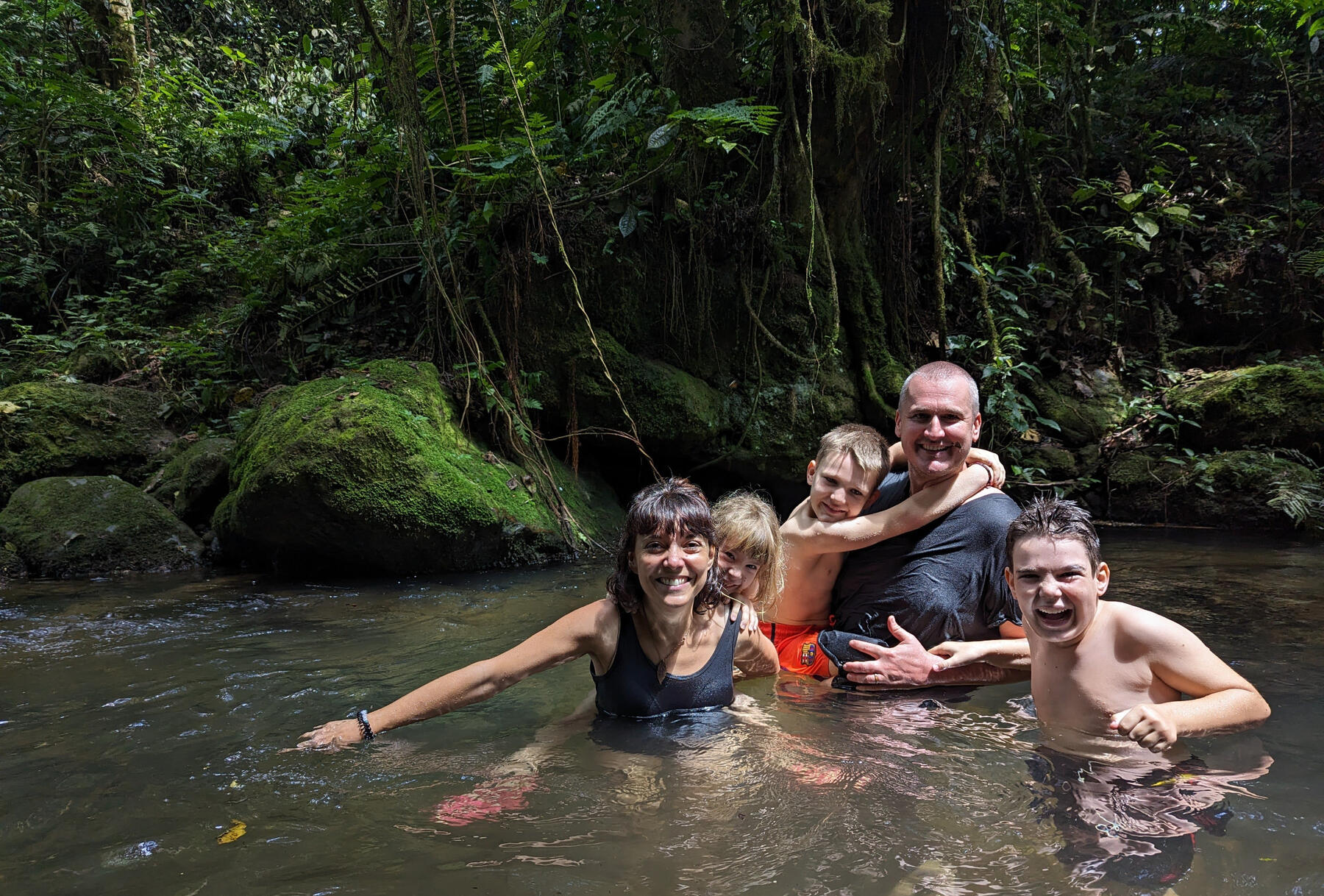
About UsWelcome to Treeshade, a travel agency born from a passion for adventure, nature, and making a difference. Dr Barak and family's (above) journey began in rural southwest Uganda, where we had the good fortune of meeting Paul while volunteering with our family. This serendipitous encounter sparked a lifelong friendship and the creation of this agency.Paul is a remarkable individual whose life has been defined by generosity and purpose. After a successful career in law, he followed his true calling—to share the breathtaking landscapes and wildlife of Uganda with others. His deep knowledge of nature, especially his love for birds, and his gift for guiding others on transformative journeys make him an exceptional leader in offering once-in-a-lifetime travel experiences.But what truly sets Paul apart is his unwavering commitment to giving back. He built a home for abused women, offering them safety and support. He regularly partners with Kisiizi Hospital, providing at-cost trips for volunteers and elective students who come to serve the community. Paul is also dedicated to helping the displaced Batwa people of Bwindi, using his business to support their education and future opportunities. It's this vision of growth that fuels his passion—not just for his business, but for the betterment of those around him.When you choose Treeshade, you're not just embarking on a unique adventure—you’re supporting a cause that changes lives. There’s no better reason to travel with us.
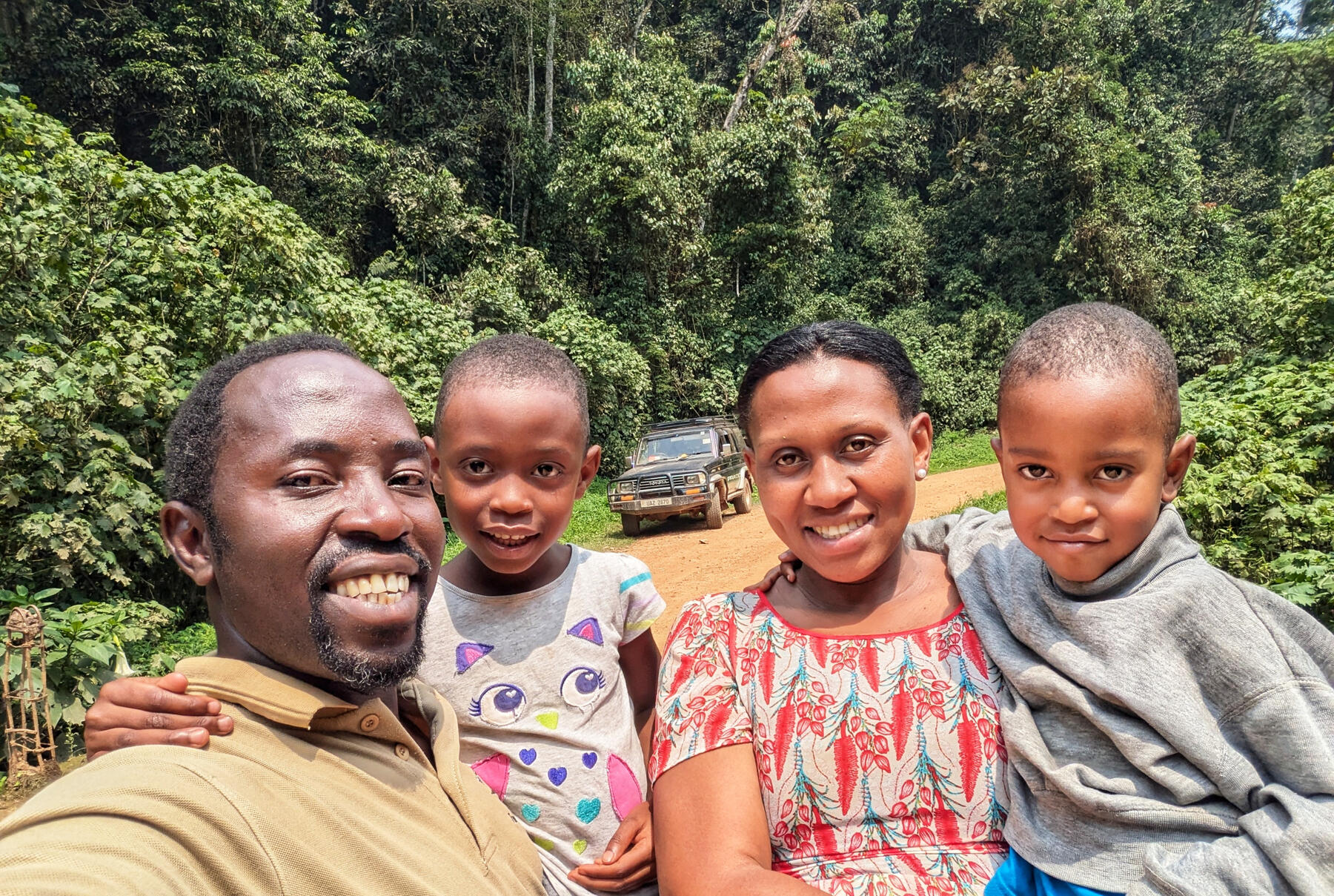
Our Commitment
At our core, we believe in the power of travel to transform lives and communities. Dr. Barak, now a family man with a profound passion for creating unforgettable experiences and exceptional customer service, leads our team with a dedication to excellence and a heart for adventure. We work closely with Paul and other local, reliable tour companies to ensure that every aspect of your journey is meticulously planned and executed.Our commitment extends beyond just offering travel services. We strive to build lasting relationships with our clients, providing personalized and attentive service to meet your needs and exceed your expectations. With a network of trusted contacts and deep ties within the communities, we guarantee that your travel experience will be not only enjoyable but also meaningful and impactful.Join Us on This Journey
We invite you to join us on a journey of discovery, adventure, and giving back. Experience the beauty of East Africa through the eyes of those who call it home, and create memories that will last a lifetime. Together, we can explore new horizons, support local communities, and make a difference—one journey at a time.Welcome to our family. Welcome to a new way of travel.
The Batwa People
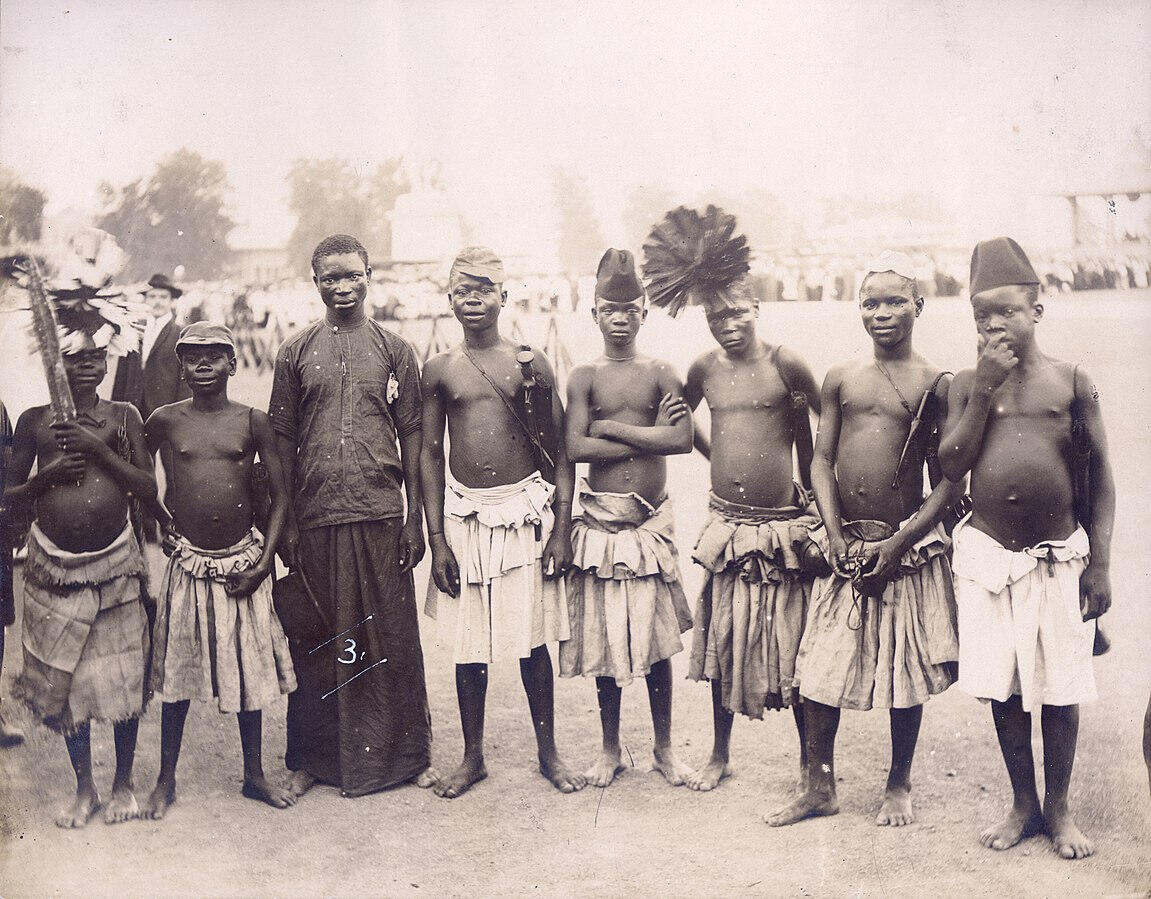
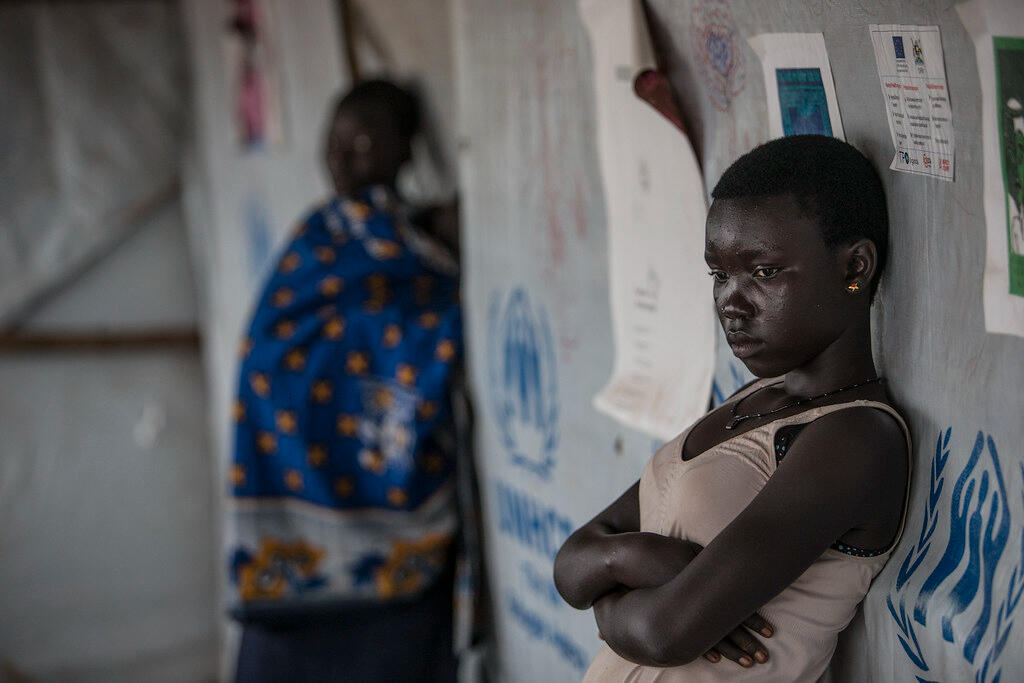
The Batwa people of Bwindi, often referred to as "forest keepers," are indigenous to the Bwindi Impenetrable Forest in southwestern Uganda. For centuries, they lived harmoniously as hunter-gatherers, relying on the forest for food, shelter, and traditional medicine. However, in 1991, when the Bwindi Impenetrable National Park was created to protect mountain gorillas and biodiversity, the Batwa were displaced without compensation for land or resources. This eviction marked the beginning of a significant struggle for the Batwa, who were forced to adapt to life outside their ancestral forest.The Batwa now face extreme poverty and marginalization in Ugandan society. Most live as squatters, without land or stable income. Their displacement also caused the erosion of their cultural heritage and traditional practices, which were closely tied to the forest. Many Batwa have resorted to providing cheap labor or engaging in subsistence farming on small plots of donated land.Social challenges for the Batwa include widespread discrimination and limited access to basic services like healthcare and education. Despite efforts by non-governmental organizations to improve their living conditions through land donations, housing, and income-generating projects such as basket weaving and beekeeping, many Batwa remain in precarious circumstances. The Batwa Development Program (BDP) and other initiatives have sought to promote their culture and create sustainable livelihoods, yet challenges persist.Their story reflects broader issues of indigenous displacement, loss of cultural identity, and the ongoing battle for social and economic integration. Despite these struggles, the Batwa continue to fight for recognition of their rights and a better future for their children.
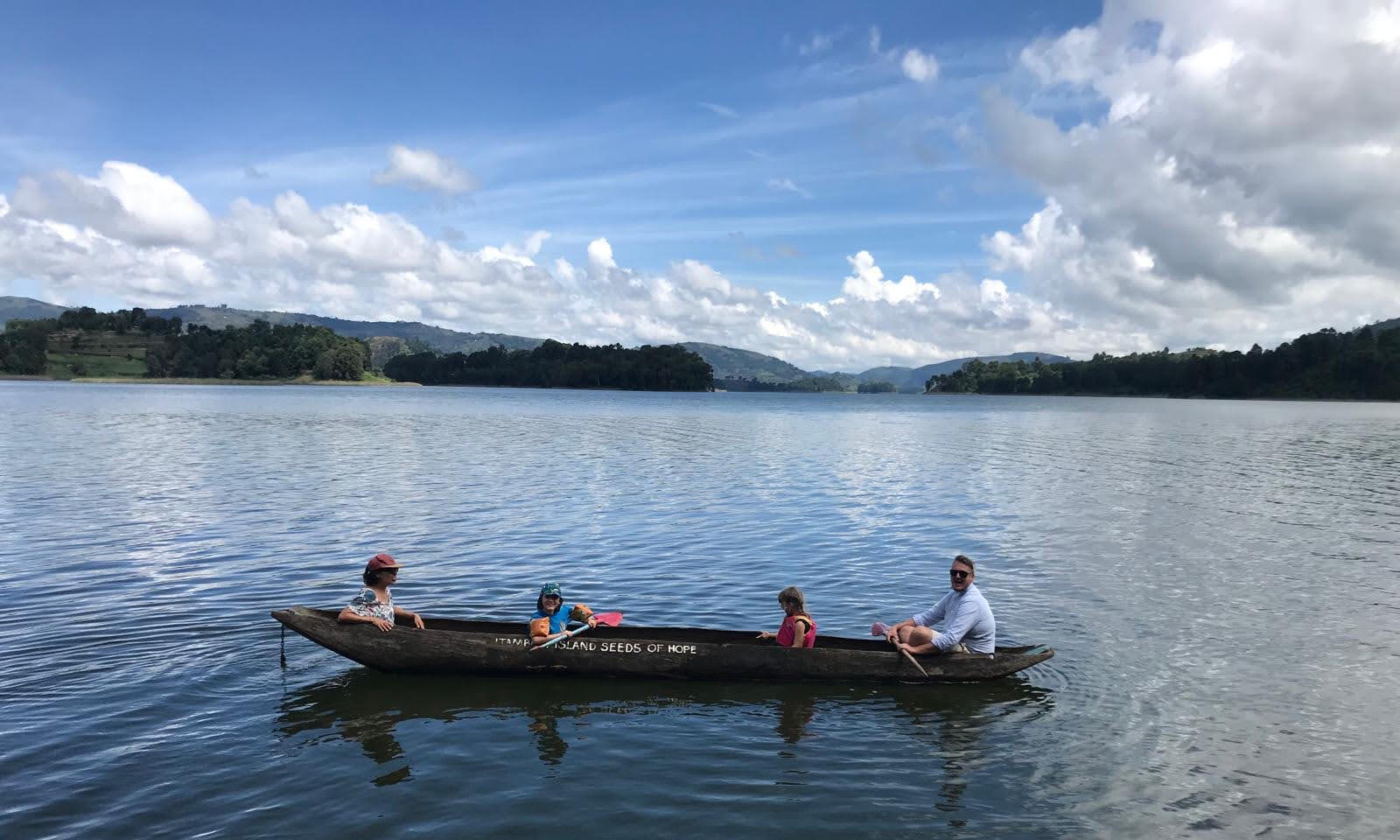
Pictures from past trips
Treeshade Bwindi Lodge
A Home Amidst NatureWe are excited to announce the upcoming addition to the Treeshade Travel experience – our very own lodge in the heart of Bwindi Impenetrable Forest. Nestled amidst lush greenery and surrounded by the enchanting sounds of nature, our lodge will offer a serene retreat for birdwatchers and nature enthusiasts alike.A Haven for BirdwatchersDesigned with birdwatchers in mind, our lodge provides the perfect base for exploring Bwindi’s rich avian biodiversity. Wake up to the calls of exotic birds right outside your window and enjoy guided tours that depart directly from your doorstep. Our lodge ensures that you are always close to the action, making it easy to experience the thrill of birdwatching in one of the world's most renowned forests.Comfort and SustainabilityAt Treeshade Travel, we are committed to sustainability and comfort. Our lodge will feature eco-friendly designs and sustainable practices to minimize environmental impact while providing a comfortable and welcoming atmosphere for our guests. Enjoy modern amenities, cozy accommodations, and locally-sourced meals prepared with care.Unmatched LocationLocated in the Bwindi Impenetrable Forest, our lodge offers unparalleled access to one of Uganda’s premier birdwatching destinations. Whether you are embarking on a birdwatching adventure or simply relaxing and soaking in the natural beauty, our lodge is the ideal place to start and end your day.Coming SoonStay tuned for more details about our lodge, including opening dates and booking information. We look forward to welcoming you to this special sanctuary where you can immerse yourself in the wonders of Bwindi and experience the magic of Uganda’s birdlife with Treeshade Travel.
Seize The Day
Fill the below form and get your adventure started.
Email: [email protected]
Telephone/WhatsApp: +44 (0)7380509829
Blog
How Much Does an African Safari Cost?
28th June 2024
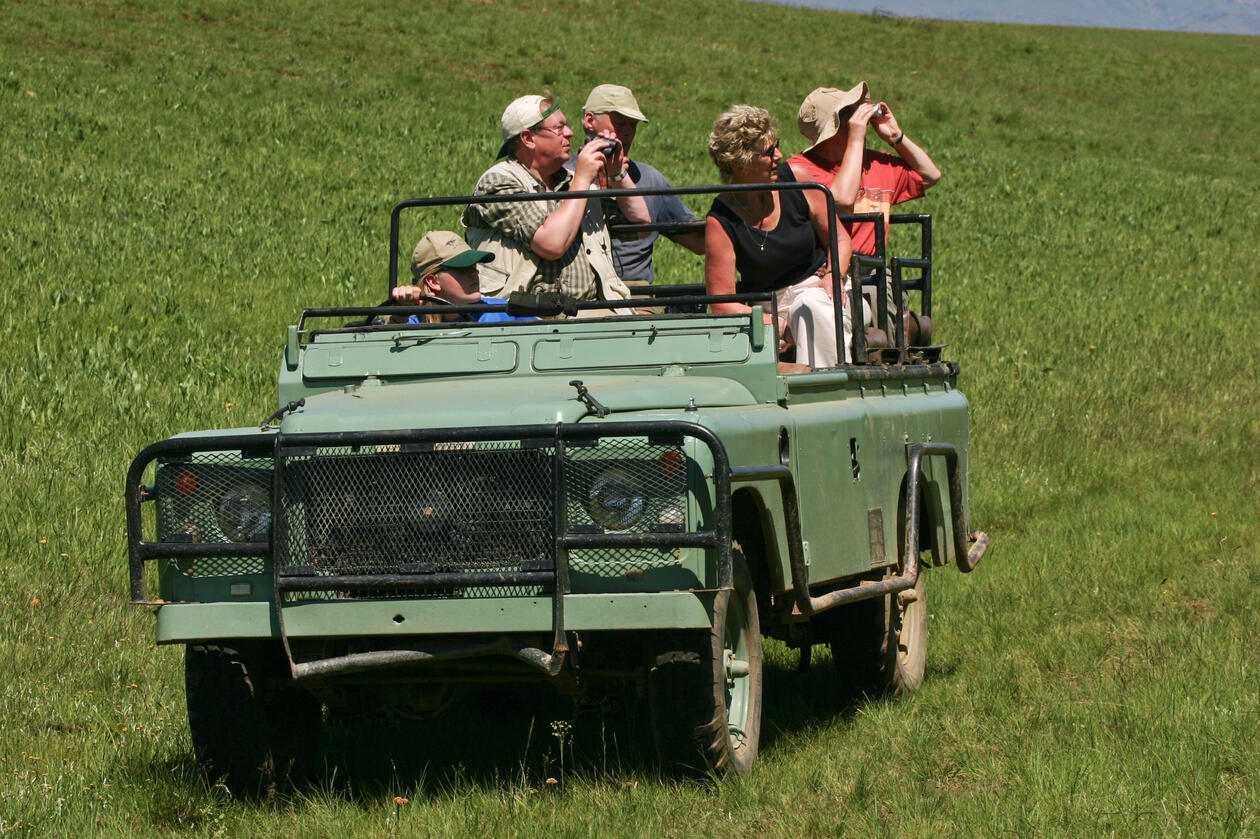
An African safari is a dream adventure for many, offering a chance to witness the continent's stunning landscapes and diverse wildlife up close. However, the cost of such an experience can vary widely depending on several factors, including destination, duration, accommodation type, and time of year. In this blog, we'll break down the key elements that influence safari costs and provide a range of budget options, using both US dollars ($) and British pounds (£) for easy reference.Factors Affecting Safari Costs1. Destination
The country you choose for your safari plays a significant role in determining the overall cost. Popular destinations like Kenya, Tanzania, Uganda, and South Africa offer a range of options from budget to luxury, while more exclusive locations like Botswana or Namibia may be pricier due to their focus on high-end, low-impact tourism.Kenya and Tanzania: Known for the Great Migration and iconic national parks like Masai Mara and Serengeti. Costs can range from $1,500 (£1,200) for budget options to over $7,000 (£5,500) for luxury safaris per person for a 7-day trip.
Uganda: Famous for gorilla trekking in Bwindi Impenetrable National Park and chimpanzee tracking in Kibale Forest. Prices for a 7-day safari range from $2,000 (£1,550) to $6,000 (£4,700) per person, including gorilla trekking permits which can be around $700 (£545).
South Africa: Offers diverse experiences, from the famous Kruger National Park to private reserves. Prices typically range from $1,200 (£900) for budget safaris to $6,000 (£4,700) for luxury trips per person for a week.
Botswana: Renowned for exclusive, high-end safaris, particularly in the Okavango Delta. Costs usually start around $3,500 (£2,700) and can exceed $10,000 (£7,800) per person for a 7-day luxury safari.
Namibia: Offers unique landscapes and desert safaris. Prices range from $2,000 (£1,550) for budget safaris to $8,000 (£6,200) for luxury options per person for a week.2. Type of Safari
The type of safari you choose also affects the price. Options include guided tours, self-drive safaris, and luxury lodge stays, each with different cost implications.Guided Tours: Typically include transportation, accommodation, meals, and game drives. Prices can range from $1,500 (£1,200) to $5,000 (£3,900) per person for a week, depending on the level of luxury.
Self-Drive Safaris: More cost-effective and offer greater flexibility. Costs range from $1,000 (£780) to $3,000 (£2,350) for a 7-day trip, including vehicle rental and park fees.
Luxury Lodge Safaris: Include high-end accommodations, gourmet meals, and personalized services. Prices can start at $5,000 (£3,900) and go up to $15,000 (£11,700) or more per person for a week-long experience.3. Duration
The length of your safari significantly impacts the cost. A typical safari lasts between 3 to 14 days, with longer safaris offering a more comprehensive experience but at a higher cost.3-Day Safari: Prices range from $600 (£470) to $2,500 (£1,950) per person.
7-Day Safari: Costs typically range from $1,500 (£1,200) to $7,000 (£5,500) per person.
14-Day Safari: Expect to pay between $3,000 (£2,350) and $14,000 (£10,900) per person, depending on the level of luxury and destinations covered.4. Time of Year
The time of year you travel can influence the cost due to seasonal variations in demand and wildlife activity.High Season (June to October): The most expensive time to travel, coinciding with the dry season and prime wildlife viewing. Prices can be 20-30% higher than in the low season.
Low Season (March to May): Known as the rainy season in many regions, prices are lower, and there are fewer tourists. This can be a great time to find deals, with prices up to 40% lower than peak season rates.
Shoulder Season (November to December, March to May): Offers a balance of good weather and lower prices, with potential savings of 10-20%.Cost Breakdown of a Typical Safari1. Budget Safari
A budget safari provides a more affordable way to experience Africa's wildlife without sacrificing the essence of the adventure.Accommodation: Basic lodges, tents, or campsites. Costs range from $50 (£40) to $150 (£120) per night.
Transport: Shared vehicles or self-drive options. Costs around $100 (£80) to $300 (£230) per day for vehicle rental and fuel.
Meals and Park Fees: Budget for $30 (£25) to $60 (£50) per day.
Total Estimated Cost: For a 7-day safari, expect to pay between $1,500 (£1,200) and $3,000 (£2,350) per person.2. Mid-Range Safari
A mid-range safari offers a balance between comfort and cost, featuring better accommodations and more comprehensive services.Accommodation: Comfortable lodges or tented camps. Prices range from $150 (£120) to $300 (£230) per night.
Transport: Private or shared guided vehicles. Costs about $200 (£155) to $500 (£390) per day.
Meals and Park Fees: Budget for $50 (£40) to $100 (£80) per day.
Total Estimated Cost: For a 7-day safari, expect to pay between $3,500 (£2,700) and $5,500 (£4,300) per person.3. Luxury Safari
A luxury safari provides an unparalleled experience with top-notch accommodations, gourmet dining, and exclusive wildlife encounters.Accommodation: High-end lodges and private camps. Costs range from $500 (£390) to $1,500 (£1,170) per night.
Transport: Exclusive use of safari vehicles, including private flights. Costs around $500 (£390) to $1,000 (£780) per day.
Meals and Park Fees: Budget for $100 (£80) to $200 (£155) per day.
Total Estimated Cost: For a 7-day safari, expect to pay between $7,000 (£5,500) and $15,000 (£11,700) per person.Additional Costs to Consider1. International Flights
The cost of flights to your safari destination is a significant part of the budget. Prices vary depending on your departure point and the destination country.From the US to East Africa: Expect to pay between $800 (£620) and $1,500 (£1,170) for a round-trip ticket.
From the UK to Southern Africa: Prices range from £500 ($650) to £900 ($1,170) for a round-trip ticket.2. Travel Insurance
Travel insurance is essential for covering unforeseen circumstances such as medical emergencies or trip cancellations.Cost: Typically ranges from $50 (£40) to $200 (£155) depending on coverage and duration.3. Tips and Gratuities
Tipping is customary and appreciated by guides, drivers, and lodge staff.Guides: Around $10 (£8) to $20 (£15) per day.
Lodge Staff: Generally, $5 (£4) to $10 (£8) per day.4. Visa Fees and Vaccinations
Some countries require visas and specific vaccinations, which add to the overall cost.Visas: Range from $50 (£40) to $100 (£80) depending on the country.
Vaccinations: Costs for required vaccinations can vary, typically around $100 (£80) to $200 (£155).Conclusion: Investing in a Memorable AdventureAn African safari can range from a budget-friendly adventure to a luxurious escape, catering to various preferences and financial plans. The key is to research and plan according to your priorities and desired experiences. While the costs can add up, the memories and encounters with Africa's magnificent wildlife and landscapes make it a worthwhile investment.Whether you're tracking gorillas in Uganda, witnessing the Great Migration in Kenya and Tanzania, exploring South Africa's diverse ecosystems, or experiencing the exclusive beauty of Botswana and Namibia, an African safari promises an unforgettable journey. By understanding the various factors that influence the cost and making informed choices, you can embark on the safari of your dreams without breaking the bank.
Previous Blog Posts
Blog
Why African Safari Tours Are Safe
27th June 2024
1. Experienced GuidesMost safari tours are led by highly experienced guides who are well-versed in animal behavior and local conditions. They are trained to handle various situations and ensure the safety of their guests by:Maintaining Safe Distances: Guides know how close you can safely get to wildlife, ensuring that both animals and tourists remain safe.
Monitoring Wildlife Behavior: They can interpret animal behavior and anticipate movements, reducing the risk of unexpected encounters.
Providing Clear Instructions: Before and during the safari, guides give clear instructions on how to behave to minimize risks, such as staying in the vehicle and avoiding sudden movements.2. Secure Accommodations
Safari lodges and camps prioritize guest safety with secure, well-maintained facilities. Here’s how:Fenced Perimeters: Many lodges are fenced to keep wildlife out, providing a safe environment for guests.
Nighttime Security: Security personnel patrol the premises to ensure that no unwanted wildlife enters the area.
Safety Briefings: Upon arrival, guests receive safety briefings, including guidelines for moving around the camp and what to do in case of an encounter with wildlife.3. Reliable Transport
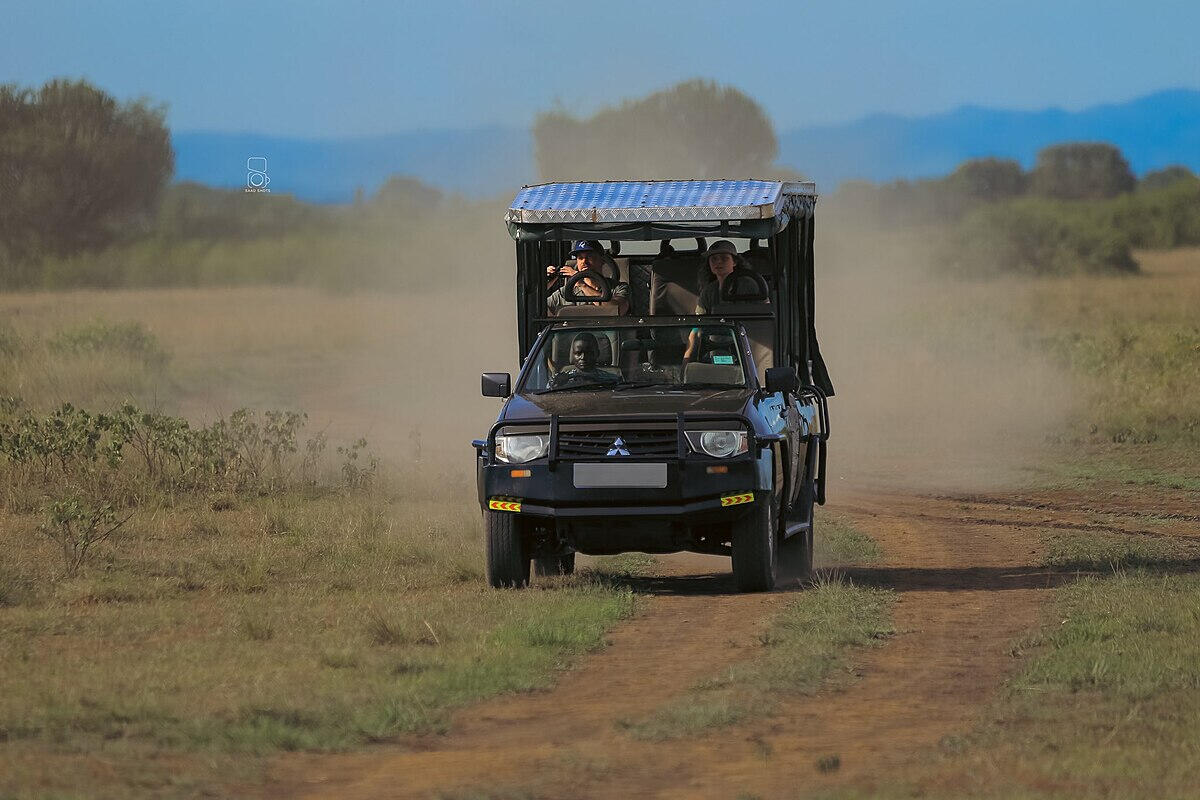
Safari vehicles are designed for both comfort and safety. They feature:Sturdy Construction: Vehicles are built to withstand the rugged terrain and are elevated to provide clear views while keeping wildlife at a safe distance.
Communication Equipment: They are equipped with radios or satellite phones for emergency communication.
Trained Drivers: Drivers are trained to navigate safely through diverse landscapes and to handle encounters with wildlife calmly and effectively.4. Health and Hygiene Standards
Lodges and safari operators adhere to high health and hygiene standards to protect guests. Measures include:Clean Water and Food: Safe drinking water and well-prepared food are provided to prevent health issues.
Malaria Precautions: Many lodges offer mosquito nets, insect repellent, and other measures to prevent mosquito bites, especially in areas with a malaria risk.5. Emergency Preparedness
Safari operators are well-prepared for emergencies with plans that include:Access to Medical Services: Many safari areas have arrangements with local medical facilities and air evacuation services.
Emergency Protocols: Operators have established protocols for handling various types of emergencies, ensuring rapid response and assistance.Considerations for a Safe Safari1. Choose Reputable Operators
Research and select safari operators with good reviews and a proven safety record. Membership in recognized travel and safari associations is a good indicator of reliability and adherence to safety standards.2. Follow Safety Guidelines
Always follow the instructions provided by your guides and the lodge staff. This includes:Staying in the Vehicle: During game drives, remain in the vehicle unless your guide indicates it’s safe to get out.
Listening to Your Guide: Pay attention to your guide’s instructions regarding wildlife encounters and camp rules.3. Be Prepared for Health Considerations
Ensure you are up to date on vaccinations and bring any necessary medications. Consider malaria prophylaxis if traveling to areas where malaria is prevalent.4. Respect Wildlife
Treat all animals with respect by:Keeping Your Distance: Avoid approaching or provoking wildlife.
Staying Quiet and Calm: Sudden movements and loud noises can disturb animals and potentially provoke dangerous behavior.5. Stay Informed About Local Conditions
Be aware of the political and social climate of your destination. National parks and reserves are generally safe, but it’s wise to stay informed about any travel advisories.Common Concerns AddressedWildlife Encounters
Guides manage wildlife interactions carefully, ensuring a safe distance is maintained. Guests are briefed on how to act in the presence of animals, minimizing risks.Health Risks
Health risks such as malaria or food and water safety are mitigated by taking recommended precautions. Vaccinations, prophylactics, and adhering to health advice help keep you safe.Crime
Crime in safari regions is rare, and lodges typically have good security measures in place. Basic travel safety practices, like keeping valuables secure and being aware of your surroundings, further enhance your safety.Political Stability
Many safari destinations are in politically stable regions. Researching and choosing destinations based on current travel advisories helps ensure a safe experience.Conclusion: Embrace the Adventure with Confidence
African safari tours are a safe and exhilarating way to experience the beauty and majesty of the continent's wildlife and landscapes. With well-trained guides, secure accommodations, and stringent safety protocols, you can embark on your safari adventure with confidence. Whether you're witnessing the Great Migration in Kenya, tracking gorillas in Uganda and Rwanda, or exploring the vast savannas of Tanzania, a safari offers an unparalleled opportunity to connect with nature in its purest form.So, take the leap and immerse yourself in the wonders of an African safari. The memories and experiences you gain will be both safe and unforgettable, providing a lifetime of stories to tell and a deep appreciation for the wild beauty of Africa.
Previous Blog Posts
Blog
African Safari with Kids: Why Uganda is the Perfect Destination for a Family Adventure
27th May 2024
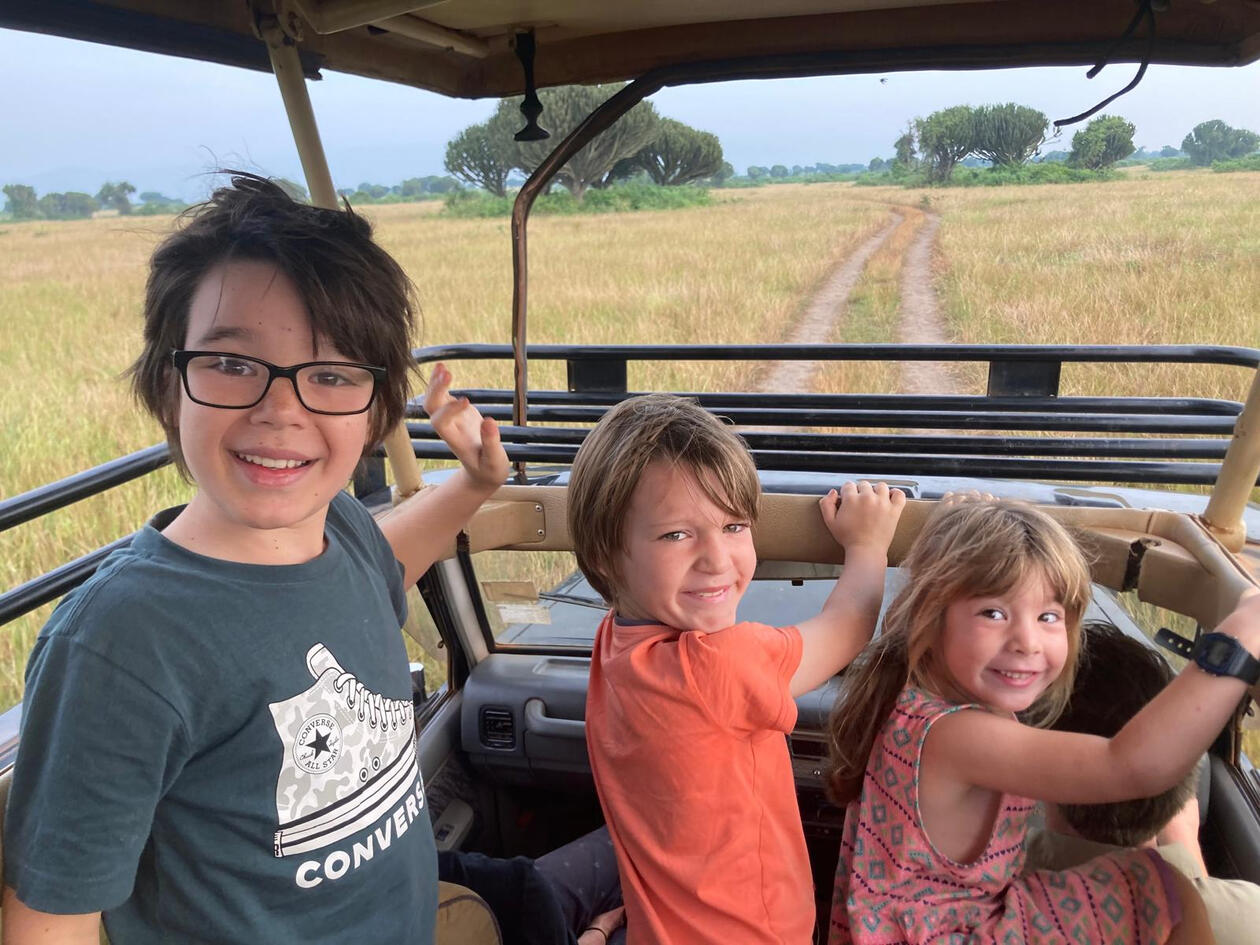
Taking your kids on an African safari is an incredible way to introduce them to nature, wildlife, and new cultures, creating memories that will last a lifetime. While planning a safari with children may seem daunting, choosing the right destination can make all the difference. Uganda, with its rich biodiversity, stunning landscapes, and family-friendly experiences, stands out as an ideal location for a safari adventure with kids. In this blog, we’ll explore why Uganda is a fantastic choice for a family safari and offer tips on how to plan an unforgettable trip.Why Choose Uganda for a Family Safari?1. Abundant Wildlife and Unique ExperiencesUganda is often referred to as the "Pearl of Africa" due to its diverse wildlife and breathtaking scenery. From the savannas of Queen Elizabeth National Park to the lush rainforests of Bwindi Impenetrable National Park, Uganda offers a variety of habitats that are home to an incredible array of wildlife.- Gorilla Trekking: While gorilla trekking in Bwindi Impenetrable National Park is an iconic experience, it's important to note that it's suitable for older children and teenagers due to the physical demands and age restrictions (usually 15 and above). For younger kids, Uganda's other parks offer equally thrilling wildlife encounters.
- Chimpanzee Tracking: Kibale Forest National Park is the primate capital of the world and offers an exciting opportunity to observe chimpanzees in their natural habitat. Some shorter, more manageable treks are available that can be suitable for families with older children.
- Safari Drives: Queen Elizabeth National Park and Murchison Falls National Park provide excellent opportunities for traditional game drives, where families can see elephants, lions, giraffes, and hippos from the safety and comfort of a vehicle.2. Family-Friendly AccommodationsUganda boasts a range of lodges and camps that cater specifically to families. These accommodations offer various amenities designed to ensure comfort and safety for children.- Kid-Friendly Lodges: Many lodges provide family suites or interconnected rooms, allowing parents to stay close to their children. They also offer babysitting services and kid-friendly meals.
- Safe Environments: Safety is a top priority in Ugandan lodges, with many featuring secure enclosures and staff trained to handle the needs of families traveling with young children.
- Engaging Activities: Some lodges offer educational activities for kids, such as nature walks, storytelling sessions, and wildlife tracking workshops, making the safari experience both fun and educational.3. Educational and Cultural ExperiencesUganda is not only about wildlife; it also offers rich cultural experiences that are both educational and engaging for children.- Cultural Visits: Families can visit local villages and interact with Ugandan communities, learning about traditional customs, music, dance, and crafts. These visits offer valuable cultural insights and memorable experiences for kids.
- Educational Programs: Some safari operators and lodges provide educational programs that teach children about wildlife conservation and the importance of protecting Uganda's natural heritage.4. Safety and AccessibilityUganda is known for its stability and safety as a travel destination, making it a reassuring choice for families. The country has made significant investments in infrastructure, ensuring that national parks and attractions are accessible and safe for tourists.- Health and Safety: Uganda has a well-established healthcare system and several clinics and hospitals are available in proximity to major tourist areas. It is advisable to take necessary health precautions, such as vaccinations and malaria prophylaxis, before traveling.
- Ease of Travel: Major national parks and tourist destinations are well-connected by road and air, with regular flights and well-maintained roads facilitating easy travel within the country.Top Family-Friendly Safari Experiences in Uganda1. Queen Elizabeth National ParkQueen Elizabeth National Park is a fantastic destination for a family safari, offering a mix of wildlife and stunning landscapes. The park is known for its diverse ecosystems, including savannas, forests, and wetlands, which support a wide variety of animals.- Boat Safaris on Kazinga Channel: Families can enjoy a relaxing boat safari along the Kazinga Channel, where they can see hippos, crocodiles, elephants, and a multitude of bird species. The boat ride is gentle and safe, making it ideal for children.
- Game Drives: The park offers numerous game drives that provide opportunities to spot lions, elephants, buffalo, and other wildlife. The drives can be customized to suit the needs and interests of children.2. Lake Mburo National ParkLake Mburo National Park is one of Uganda's smallest parks, but it offers big experiences for families. The park is less crowded than others, making it a peaceful and intimate destination for a family safari.- Wildlife Viewing: Families can enjoy guided game drives to see zebras, impalas, buffalo, and giraffes. The park’s compact size means that wildlife sightings are frequent and close.
- Nature Walks: Unlike larger parks, Lake Mburo allows walking safaris, giving families a chance to explore the landscape on foot and learn about the smaller flora and fauna.
- Boat Rides: The park's lake provides opportunities for boat rides where kids can spot hippos, crocodiles, and a variety of birdlife.3. Murchison Falls National ParkMurchison Falls National Park is Uganda’s largest and oldest conservation area, offering a wide range of activities that appeal to families.- Game Drives: The park is home to large populations of elephants, lions, and giraffes. The open savannas make it easy for children to spot and observe wildlife.
- River Cruises: Families can take a boat trip to the base of Murchison Falls, where the Nile River explodes through a narrow gorge, creating a spectacular waterfall. The boat ride is both scenic and safe, offering plenty of wildlife viewing opportunities.
- Top of the Falls: A visit to the top of Murchison Falls provides stunning views and is a great photo opportunity for families.Tips for Planning a Family Safari in Uganda1. Choose Kid-Friendly ActivitiesWhile planning your safari, make sure to select activities that are suitable for children. Avoid long, strenuous treks and opt for shorter, more interactive experiences that will keep your kids engaged and excited.2. Pack AppropriatelyEnsure you pack the right gear for your family safari, including:
- Comfortable Clothing: Lightweight, breathable clothes for the day and warmer layers for the evenings.
- Sun Protection: Hats, sunglasses, and high-SPF sunscreen to protect against the sun.
- Insect Repellent: Essential for protection against mosquitoes and other insects.
- Binoculars and Cameras: To enhance wildlife viewing and capture memories.3. Prioritize Health and SafetyBefore traveling, consult your doctor about vaccinations and any necessary medications. Make sure to bring a first-aid kit and any essential medications for your children.4. Engage with Local GuidesLocal guides have extensive knowledge of the parks and wildlife and can provide an educational and safe experience for your family. They can tailor activities to suit the interests and capabilities of your children.Conclusion: An Unforgettable Family Adventure Awaits in UgandaA family safari in Uganda offers a unique blend of adventure, education, and cultural enrichment. With its family-friendly lodges, diverse wildlife, and commitment to conservation, Uganda provides a safe and welcoming environment for children of all ages. Whether you’re spotting lions on a game drive, cruising along the Kazinga Channel, or learning about local traditions, a Ugandan safari promises unforgettable experiences and cherished memories for your family.So pack your bags, gather your kids, and set off on a remarkable journey to discover the wonders of Uganda. An African safari with children is not just a vacation; it's an adventure that will inspire and captivate your entire family.
Previous Blog Posts
Blog
The Ultimate African Safari and Beach Holiday: Adventure Meets Relaxation
3rd May 2024
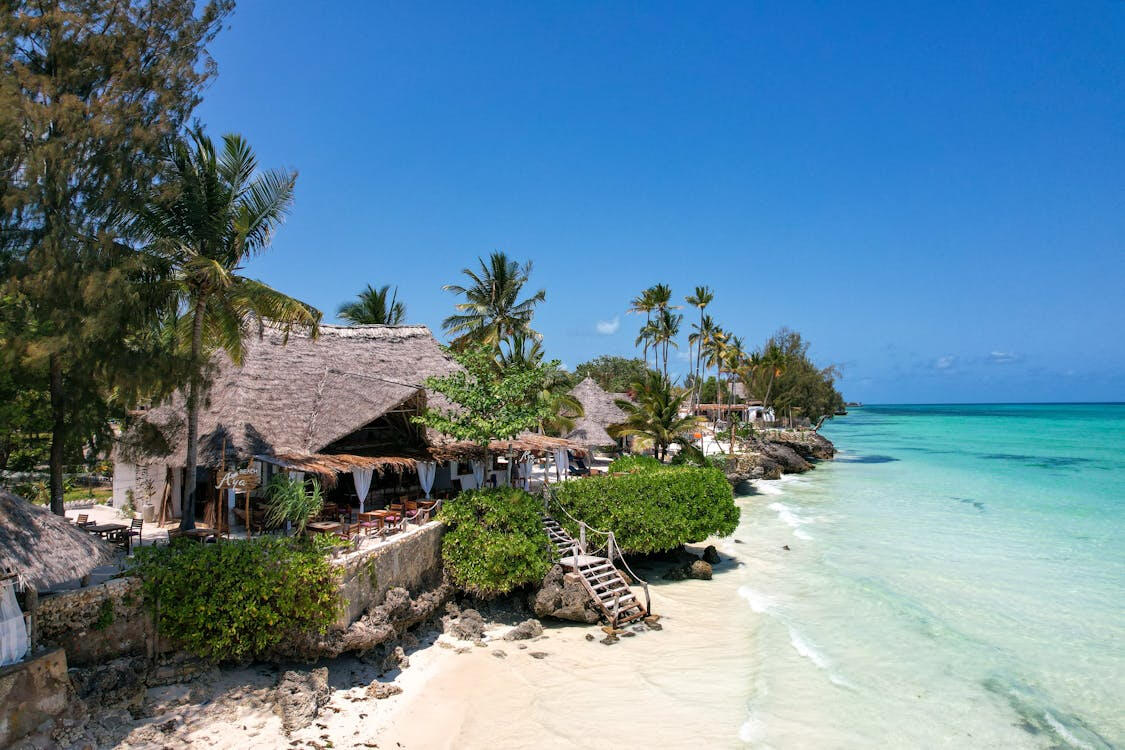
Imagine starting your day with the thrilling sight of lions on the savanna and ending it with your toes in the soft sand as you watch the sun set over the ocean. Combining an African safari with a beach holiday offers the best of both worlds: the adventure of wildlife encounters and the tranquility of idyllic beaches. This unique travel experience is perfect for those seeking a dynamic vacation that offers both excitement and relaxation.In this blog, we'll explore some of the top destinations where you can seamlessly blend an exhilarating African safari with a serene beach getaway. Get ready to pack your bags for the adventure of a lifetime!Why Combine an African Safari with a Beach Holiday?1. Diverse Experiences in One TripAn African safari offers the chance to witness the continent's stunning wildlife, from the Big Five (lion, leopard, rhinoceros, elephant, and Cape buffalo) to unique bird species and other exotic animals. Following the excitement of a safari, a beach holiday provides the perfect way to unwind and soak up the sun, creating a balanced travel experience.2. Convenience and ProximityMany African safari destinations are conveniently located near some of the world's most beautiful beaches. This allows travelers to easily transition from the savanna to the shore without the need for long, complicated travel arrangements.3. Family-Friendly and Romantic OptionsWhether you're planning a family vacation or a romantic getaway, combining a safari with a beach holiday offers something for everyone. Families can enjoy educational and adventurous activities on safari, followed by relaxing beach time. Couples can experience the thrill of wildlife encounters and then retreat to a secluded beach for some quality time together.---Top Destinations for an African Safari and Beach Holiday1. Kenya: Masai Mara and Diani BeachKenya is a classic safari destination, offering some of the most iconic wildlife experiences in Africa. The Masai Mara National Reserve is world-renowned for its annual wildebeest migration and abundant wildlife.- Masai Mara Safari: Witness the dramatic Great Migration, where millions of wildebeest and zebras cross the Mara River, braving predators like lions and crocodiles. The Masai Mara offers year-round opportunities to see the Big Five and other fascinating animals.
- Diani Beach: After your safari adventure, head to Diani Beach on Kenya's southern coast. This palm-fringed beach is known for its pristine white sand and clear turquoise waters. Here, you can enjoy water sports, explore coral reefs, or simply relax under the sun.---2. Tanzania: Serengeti and ZanzibarTanzania is another prime destination for combining a safari with a beach holiday. The Serengeti National Park is synonymous with spectacular wildlife and expansive plains.- Serengeti Safari: The Serengeti offers incredible game viewing, especially during the Great Migration, when herds of wildebeest and zebras move in search of fresh grazing. The park is also home to lions, cheetahs, and elephants, making it a must-visit for wildlife enthusiasts.
- Zanzibar: After your safari, fly to the exotic island of Zanzibar. Known as the "Spice Island," Zanzibar boasts stunning beaches, historical sites, and vibrant culture. Relax on the white sandy beaches of Nungwi or explore the charming streets of Stone Town, a UNESCO World Heritage Site.---3. South Africa: Kruger National Park and Cape TownSouth Africa offers diverse landscapes and experiences, making it an excellent choice for a combined safari and beach holiday.- Kruger National Park: One of Africa's largest game reserves, Kruger National Park is teeming with wildlife, including the Big Five. The park offers a variety of safari experiences, from guided game drives to walking safaris, catering to all levels of adventure.
- Cape Town: After your safari, head to Cape Town, where you can enjoy the city's stunning beaches and vibrant culture. Camps Bay and Clifton Beach are perfect for sunbathing and water activities, while the city's famous Table Mountain provides a picturesque backdrop.---4. Uganda: Queen Elizabeth National Park and Ssese IslandsUganda is an emerging destination for safari and beach holidays, offering unique wildlife experiences and beautiful lakeside beaches.- Queen Elizabeth National Park: Known for its diverse ecosystems, Queen Elizabeth National Park is home to a wide variety of wildlife, including elephants, lions, and the rare tree-climbing lions of Ishasha. Boat safaris on the Kazinga Channel offer close-up views of hippos and crocodiles.
- Ssese Islands: After your safari, unwind at the Ssese Islands, located in Lake Victoria. These tropical islands offer sandy beaches, clear waters, and a peaceful atmosphere, perfect for relaxation. Enjoy swimming, fishing, or exploring the lush landscapes.---5. Mozambique: Gorongosa National Park and Bazaruto ArchipelagoMozambique is a hidden gem for travelers seeking an off-the-beaten-path safari and beach holiday.- Gorongosa National Park: Gorongosa is undergoing a remarkable restoration and is home to diverse wildlife, including elephants, lions, and a variety of bird species. The park offers a unique and less crowded safari experience.
- Bazaruto Archipelago: After your safari, explore the Bazaruto Archipelago, a stunning group of islands known for their crystal-clear waters and rich marine life. Snorkeling, diving, and sailing are popular activities, offering a perfect complement to your wildlife adventure.---Tips for Planning an African Safari and Beach Holiday1. Choose the Right Time of YearThe timing of your trip can significantly impact your safari and beach experience. For safaris, the dry season (typically June to October) is the best time for game viewing, as animals gather around water sources. Beach holidays can vary depending on the destination, so it's important to research the best times for good weather and water conditions.2. Pack AppropriatelyPacking for a safari and beach holiday requires a mix of items:
- Safari Gear: Lightweight, neutral-colored clothing, comfortable walking shoes, sun protection, and a good camera for wildlife photography.
- Beach Essentials: Swimwear, flip-flops, beach towels, sunscreen, and a good book for relaxing on the sand.3. Book with Reputable OperatorsEnsure you book your safari and beach accommodations with reputable operators who prioritize safety, quality, and sustainability. Look for reviews and testimonials from other travelers to find reliable service providers.4. Plan for Health and SafetyConsult your doctor about necessary vaccinations and medications before traveling. Make sure to pack a basic first aid kit and any prescription medications you may need. For beach holidays, practice sun safety by wearing sunscreen and staying hydrated.5. Consider Combining Multiple DestinationsIf you have the time, consider combining multiple safari and beach destinations for a more comprehensive African experience. For example, you can start with a safari in Tanzania's Serengeti, then relax on the beaches of Zanzibar, and finish with a cultural exploration in Uganda.---Conclusion: The Best of Both Worlds Awaits YouAn African safari and beach holiday is the ultimate travel experience, offering the thrill of wildlife encounters and the relaxation of beautiful beaches. Whether you're exploring the plains of Uganda's Queen Elizabeth National Park or lounging on the shores of Zanzibar, this unique combination promises a vacation filled with adventure, beauty, and tranquility.So why choose between the excitement of a safari and the serenity of a beach holiday? With the right planning, you can enjoy both in one unforgettable trip. Pack your bags and embark on the journey of a lifetime to discover the wonders of Africa, from its majestic wildlife to its pristine beaches.Enjoy your safari and beach holiday planning! Feel free to reach out if you need more tips or have any questions about your upcoming adventure.
Previous Blog Posts
Which African Country Has the Best Safari?
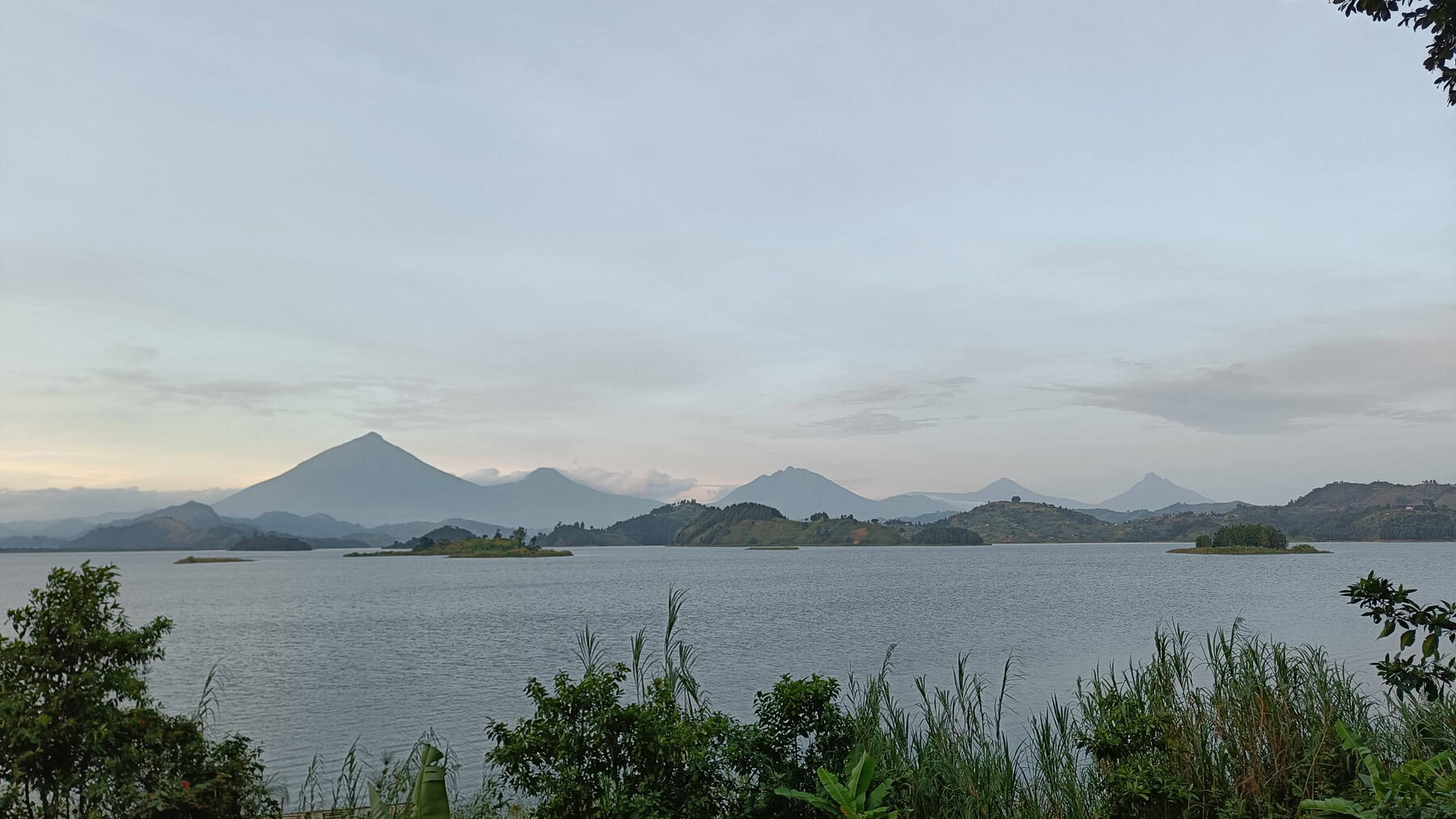
Choosing the best African country for a safari is a subjective decision, often influenced by the type of experience one is seeking. Several countries in Africa are celebrated for their iconic and diverse safari adventures. Below are some of the top destinations, each offering a unique blend of wildlife, landscapes, and cultural experiences.1. Uganda and RwandaKey Attractions:
- Bwindi Impenetrable Forest (Uganda): Known worldwide for its mountain gorilla trekking, providing a rare and awe-inspiring opportunity to encounter gorillas in their natural habitat.
- Queen Elizabeth National Park (Uganda): Offers a stunning diversity of ecosystems, including savannas, forests, and wetlands, and is home to tree-climbing lions, hippos, and an array of bird species.
- Volcanoes National Park (Rwanda): Nestled among the Virunga Mountains, this park is a premier destination for gorilla trekking and also boasts scenic volcanic landscapes.Why Uganda and Rwanda?
Uganda and Rwanda are perfect for travelers seeking a unique and intimate wildlife experience, especially those interested in gorilla trekking. These countries offer breathtaking landscapes and rich biodiversity, with opportunities for cultural immersion and adventure. The gorilla encounters are unparalleled, making these destinations ideal for nature enthusiasts and those looking for a once-in-a-lifetime experience.2. KenyaKey Attractions:
- Masai Mara National Reserve: Famous for the Great Migration, where millions of wildebeest and zebras traverse the Mara River in a dramatic annual event.
- Amboseli National Park: Known for its stunning views of Mount Kilimanjaro and large herds of elephants.
- Lake Nakuru: Renowned for its vast populations of flamingos and rhino sanctuaries.Why Kenya?
Kenya provides a quintessential safari experience with a mix of wildlife-rich national parks and diverse landscapes. It offers the chance to witness spectacular wildlife events like the Great Migration, making it a great choice for both first-time safari-goers and seasoned travelers seeking an iconic African safari adventure.3. TanzaniaKey Attractions:
- Serengeti National Park: Also a stage for the Great Migration, it is a prime location for observing large predator-prey interactions and abundant wildlife.
- Ngorongoro Crater: A UNESCO World Heritage site with one of the densest concentrations of wildlife in Africa, set in a dramatic volcanic caldera.
- Selous Game Reserve: One of the largest game reserves in Africa, offering a more remote and off-the-beaten-path safari experience.Why Tanzania?
Tanzania is ideal for those seeking a varied and immersive wildlife experience. With its diverse ecosystems ranging from savannas to wetlands and forests, Tanzania provides extensive opportunities for observing a wide range of wildlife and experiencing the natural beauty of Africa.4. South AfricaKey Attractions:
- Kruger National Park: One of the largest game reserves in Africa, known for its diverse wildlife and accessibility.
- Sabi Sand Game Reserve: Famous for luxury lodges and excellent leopard sightings.
- Addo Elephant National Park: Known for its large elephant populations and the opportunity to see the Big Five.Why South Africa?
South Africa is perfect for those looking for a variety of safari experiences, from budget-friendly options to luxurious lodges. It offers a wide range of activities, diverse wildlife, and excellent infrastructure, making it suitable for all types of travelers. South Africa also combines traditional safari adventures with unique experiences like urban explorations and coastal tours.5. BotswanaKey Attractions:
- Okavango Delta: A UNESCO World Heritage site renowned for its unique water-based safaris and diverse wildlife.
- Chobe National Park: Famous for its large elephant herds and river safaris along the Chobe River.
- Moremi Game Reserve: Offers a secluded and authentic safari experience with a rich variety of wildlife.Why Botswana?
Botswana is ideal for those seeking an exclusive and pristine safari experience. The country’s emphasis on low-impact, high-quality tourism ensures fewer crowds and more personalized safaris. This makes Botswana a perfect destination for those looking for solitude and unspoiled natural beauty.6. NamibiaKey Attractions:
- Etosha National Park: Known for its expansive salt pans and large concentrations of wildlife around waterholes.
- Skeleton Coast: Offers unique desert landscapes and opportunities to see desert-adapted wildlife.
- Damaraland: Famous for its rugged scenery and desert elephants and rhinos.Why Namibia?
Namibia offers a distinctive safari experience with its dramatic landscapes and desert-adapted wildlife. It’s ideal for travelers seeking a unique adventure in less crowded environments. The stark beauty of Namibia's landscapes, combined with its diverse wildlife, makes it a compelling destination for those looking for a different kind of safari experience.7. ZimbabweKey Attractions:
- Hwange National Park: Known for its significant elephant populations and diverse wildlife.
- Mana Pools National Park: Offers exceptional walking safaris and canoe trips on the Zambezi River.
- Victoria Falls: One of the world’s most famous natural wonders, paired with great safari opportunities in nearby parks.Why Zimbabwe?
Zimbabwe is renowned for its excellent game viewing and highly knowledgeable guides. It’s a top choice for those interested in a variety of safari activities, such as walking safaris and canoe trips, as well as experiencing the cultural richness of the region. The proximity to Victoria Falls adds an iconic landmark to the safari experience.ConclusionEach of these African countries offers a unique and memorable safari experience. The best choice depends on your specific interests:- For gorilla trekking and intimate wildlife encounters: Uganda and Rwanda.
- For witnessing the Great Migration and iconic landscapes: Kenya and Tanzania.
- For diverse wildlife and high-quality accommodations: South Africa.
- For exclusivity and pristine environments: Botswana.
- For dramatic landscapes and unique wildlife: Namibia.
- For varied safari activities and cultural experiences: Zimbabwe.Regardless of which destination you choose, an African safari promises to be an unforgettable adventure filled with breathtaking wildlife and stunning natural beauty.
Bird Of The Day
The Majestic African Fish Eagle: Uganda's Aquatic SentinelIntroduction:
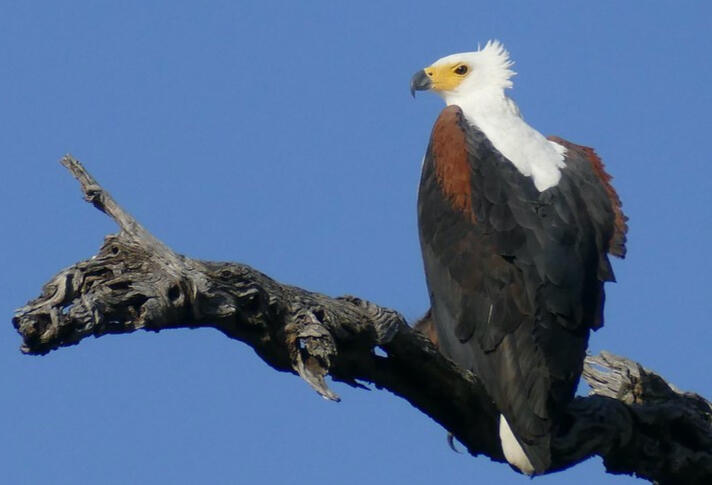
In the heart of Africa, where lush greenery meets sparkling waterways, there resides a majestic bird revered by many—the African Fish Eagle (Haliaeetus vocifer). With its piercing gaze and distinctive call echoing across the savannas and lakeshores, this iconic bird holds a special place in the tapestry of Uganda's wildlife. Join us as we delve into the world of the African Fish Eagle, the aquatic sentinel of Uganda's wilderness.Description:
The African Fish Eagle is a sight to behold, with its striking plumage of brown and white, complemented by a sharp yellow beak and piercing yellow eyes. With a wingspan stretching up to 2.4 meters, it cuts a formidable figure as it soars gracefully over its domain. Found near freshwater habitats such as lakes, rivers, and marshes, the Fish Eagle is a masterful hunter, relying primarily on fish for sustenance. Its powerful talons and keen eyesight make it a formidable predator, capable of snatching fish from the water's surface with remarkable precision.Habitat and Range:
The African Fish Eagle is widely distributed across sub-Saharan Africa, including Uganda, where it inhabits a variety of aquatic ecosystems. From the vast expanse of Lake Victoria to the tranquil waters of the Nile River, these regal birds can be spotted perched on branches overlooking the water, or soaring high above in search of prey. They are particularly common in protected areas such as Murchison Falls National Park and Queen Elizabeth National Park, where they play a vital role in the ecosystem.Behavior and Hunting:
One of the most captivating sights in Uganda is witnessing the aerial prowess of the African Fish Eagle as it hunts for its next meal. With a keen eye for movement, it circles high above the water, scanning for signs of fish near the surface. Once its target is sighted, it swoops down with astonishing speed, extending its talons to grasp the unsuspecting prey. Its distinctive call—a melodious combination of high-pitched whistles and haunting cries—adds to the ambiance of Uganda's waterways, earning it the nickname "the voice of Africa."Conservation Status:
While the African Fish Eagle is not currently considered endangered, it faces threats from habitat loss, pollution, and human disturbance. Efforts to conserve its wetland habitats and mitigate human-wildlife conflicts are essential for ensuring the continued survival of this iconic species. By raising awareness and promoting responsible tourism practices, we can help protect the African Fish Eagle and preserve Uganda's natural heritage for future generations to enjoy.Conclusion:
In the realm of Uganda's wildlife, few birds command the same reverence and awe as the African Fish Eagle. With its majestic presence, unparalleled hunting skills, and haunting call, it serves as a symbol of the country's rich biodiversity and untamed beauty. As stewards of the land, it is our duty to safeguard this magnificent species and ensure that it continues to grace Uganda's waterways for generations to come. So, the next time you find yourself by the shores of Lake Victoria or the banks of the Nile, keep an eye out for the unmistakable silhouette of the African Fish Eagle—a true icon of Africa's wild places.
Thank you
We will be in touch shortly